The recent protest in Karaj Central Prison, beyond the individual efforts of prisoners to save the lives of their cellmates, is a continuation of the wave of protests that have formed in the country’s prisons over the past months.
Iran Human Rights Society, Friday, December 12, 2025 – The hunger strike by prisoners in Ward 3 of Karaj Central Prison on Thursday, December 11, 2025, once again drew attention to the increasing wave of issuance and execution of death sentences. The prisoners in this ward, simultaneously with the transfer of 6 death row prisoners to solitary cells, went on a one-day hunger strike and announced that they “will not remain silent” in the face of the execution of their cellmates.
According to informed sources, all 6 prisoners are from drug-related cases, with three from Ward 3 and three others from Ward 4 of Karaj Central Prison transferred to solitary confinement. This transfer, as per the usual prison procedure, indicates the imminent execution of the sentences and has heightened the concerns of families and human rights activists.
A Broader Protest Context; Reminder of the October Strike in Ghezel Hesar
The recent protest in Karaj Central Prison is not separate from the prisoners’ individual efforts to save the lives of their cellmates, but rather a continuation of the wave of protests that have formed in the country’s prisons over the past months. In October 2025, prisoners in Ghezel Hesar Prison, in response to multiple executions and nighttime transfers of prisoners for sentence execution, went on a hunger strike for six days starting October 13. At that time, according to the prisoners, judicial authorities and some prison officials had promised that “sentences would be commuted” and the execution of some death sentences would be halted or reviewed again.
However, the process of transferring prisoners to solitary confinement and executing sentences accelerated, and the promises made were never fulfilled. The new hunger strike by prisoners in Ward 3 of Karaj Central Prison is now occurring in an atmosphere where prisoners feel distrust and an increasing threat due to the “acceleration of executions.”
Increasing Warnings About a New Wave of Executions
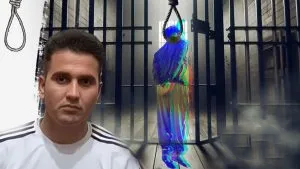
Human rights sources have announced that in recent weeks, the likelihood of mass executions of death sentences, especially in drug-related cases, has increased. On Thursday, December 11, four other death row prisoners in Karaj Central Prison were also transferred to solitary confinement; including Kioumars Bahrami, who has been detained for over four years and whose death sentence was issued based on confessions that, according to his relatives, “were obtained under pressure.”
These developments show that the new wave of death sentence executions is advancing without regard to the internal protests of prisoners, the concerns of families, and the warnings of human rights activists.
Psychological Pressure and Permanent Insecurity Among Prisoners
The prisoners in Ward 3 of Karaj Central Prison, in their verbal statement when announcing the strike, said that “at any moment, another prisoner could be taken” and this situation has placed them in “permanent anxiety.” They emphasized that this strike is an “initial warning” and if the wave of executions continues, their protests could become more widespread.
On the other hand, the families of the prisoners have also announced that following short and vague phone calls, their concerns about the possibility of sudden sentence execution have increased, and they receive no official information from judicial authorities.
Promises of Sentence Commutation That Were Never Implemented
During the Ghezel Hesar prisoners’ strike in October, some judicial and security authorities in meetings announced that “efforts would be made to commute sentences and review some cases again.”
Despite these promises, not only did the rate of executions not decrease, but the recent transfers show that the judicial policy toward drug-related cases remains based on widespread execution of death sentences.
Human Rights Violations in the Issuance and Execution of Death Sentences
Reports indicate that the hasty transfer of prisoners to solitary confinement in Karaj Central Prison and the lack of transparent information to families, along with the absence of effective judicial oversight, are in serious conflict with basic human rights principles.
- § Article 3 – Right to Life – The widespread and sudden execution of death sentences, especially in conditions where there is serious ambiguity about the trial process, is a clear violation of the fundamental right to life.
- § Article 5 – Prohibition of Cruel and Inhuman Treatment- Nighttime transfers of prisoners to solitary confinement, severe psychological pressure on prisoners and families, and the constant threat of sentence execution constitute inhuman treatment.
- § Article 10 – Right to a Fair Trial- Many convicts in drug-related cases have been deprived of effective access to a lawyer and a fair trial; an issue that calls into question the validity of the issued sentences.